In the late sixties you could walk into a Fender dealer and buy a Twin Reverb two ways. Stock. Or with JBL speakers, for more money.
In those years that was the one speaker choice on the order form. Everything else came in the crate.
What the Option Cost
A 1968 Twin Reverb sold by RetroFret carries factory JBL D120Fs. The listing gives the Twin's list price as $499.50 and the JBL upgrade as about $150. That is roughly 30 percent more amp for two speakers.
It is one dealer's documentation. No Fender price list for that year has turned up to confirm it. But it matches what the speakers were. They were expensive to build.
What JBL Said the D120F Was
JBL printed a brochure in March 1970 called Musical Instrument Loudspeakers. It covers the D110F, D120F, D130F and D140F. The F stood for Fender, according to JBL engineer Harvey Gerst. Fender was the biggest buyer.
Here is the D120F from that sheet, next to Jensen's current C12N. The C12N is one of the speakers stock Twin Reverbs of the period are documented with. These are the reissue's figures, not a 1960s sheet, because Jensen's original figures were not published in any form we could find.
| JBL D120F (JBL, 1970) | Jensen C12N (Jensen, current) | |
|---|---|---|
| Magnet | Alnico V, 11 lb magnetic structure | Ceramic, 29 oz (810 g) magnet |
| Voice coil | 4 in, edgewound aluminum ribbon | 1.5 in |
| Flux | 12,000 gauss, 275,000 maxwells | Not published |
| Power | 100 W continuous program | 50 W rated |
| Impedance | 8 Ω | 4, 8 or 16 Ω |
| Sensitivity | Not published | 97.7 dB (8 Ω) |
| Resonance | Not published | 113 Hz (8 Ω) |
| Weight | 10.25 lb shipping weight | 7.28 lb |
| Dome | Aluminum, attached to the coil | Paper dust cap |
What I Expected to Find
I expected JBL's sheet to sell a sound. Cleaner. Louder. Some number to back it.
It does not. There is no sensitivity figure and no resonance figure anywhere in it. The sales line is power. The D120F has "greater power handling ability than most 15" units," and it "replaces any standard 12" musical instrument loudspeaker for improved performance and power capacity."
Even the power figure is soft. Gerst said later that the F-series ratings were nominally 35 to about 60 watts when he set them. He got them by running speakers until they failed and backing off. He called them "just suggestions." The 1970 sheet says 100 watts and defines it as continuous program material. Those are different tests. Neither one is wrong. They are just not the same number.
The weight is soft too. Dealers list D120Fs at 13.5 lb each. JBL's own sheet gives 10.25 lb as the shipping weight, which should be the heavier figure. Either way it is a heavier speaker than a C12N by a good margin. Two of them in a Twin is a lot to carry up stage steps.
Where the Difference Actually Lives
The documented differences are mechanical.
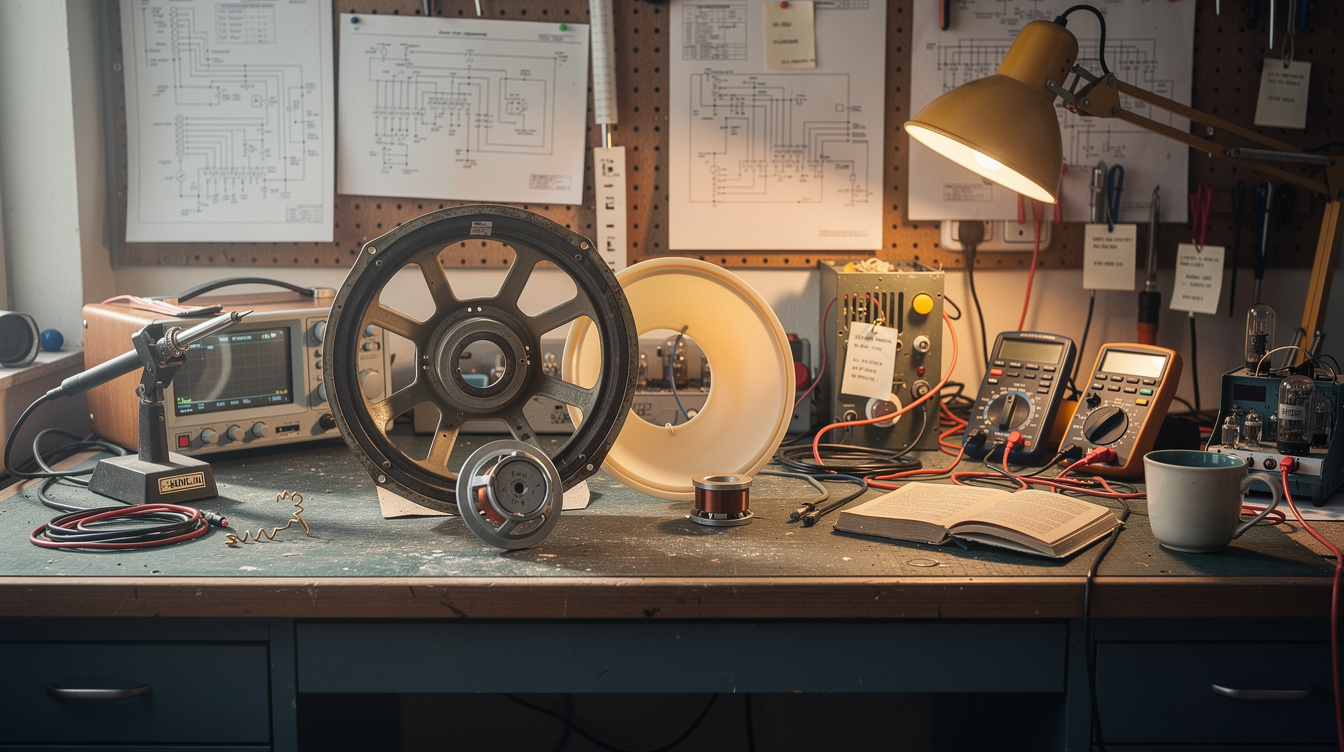
The coil. Four inches against an inch and a half. A bigger coil has more wire and more surface to shed heat. Heat is what kills a voice coil. That is most of the power story.
The dome. JBL glued an aluminum dome straight to the coil. The brochure says it was for highs that are "crisp and brilliant." That is JBL's description, not a measurement. But a metal dome on the coil is a real difference from a paper dust cap, and it sits right where the top end comes from.
The magnet. Alnico, and a lot of it. Do not read too much into the magnet type alone. Our alnico versus ceramic comparison found the moving parts predicted the sensitivity gaps better than the magnet did.
Who It Was For
A Twin is already a loud, clean amp. The JBL option was for people who needed it louder and still clean.
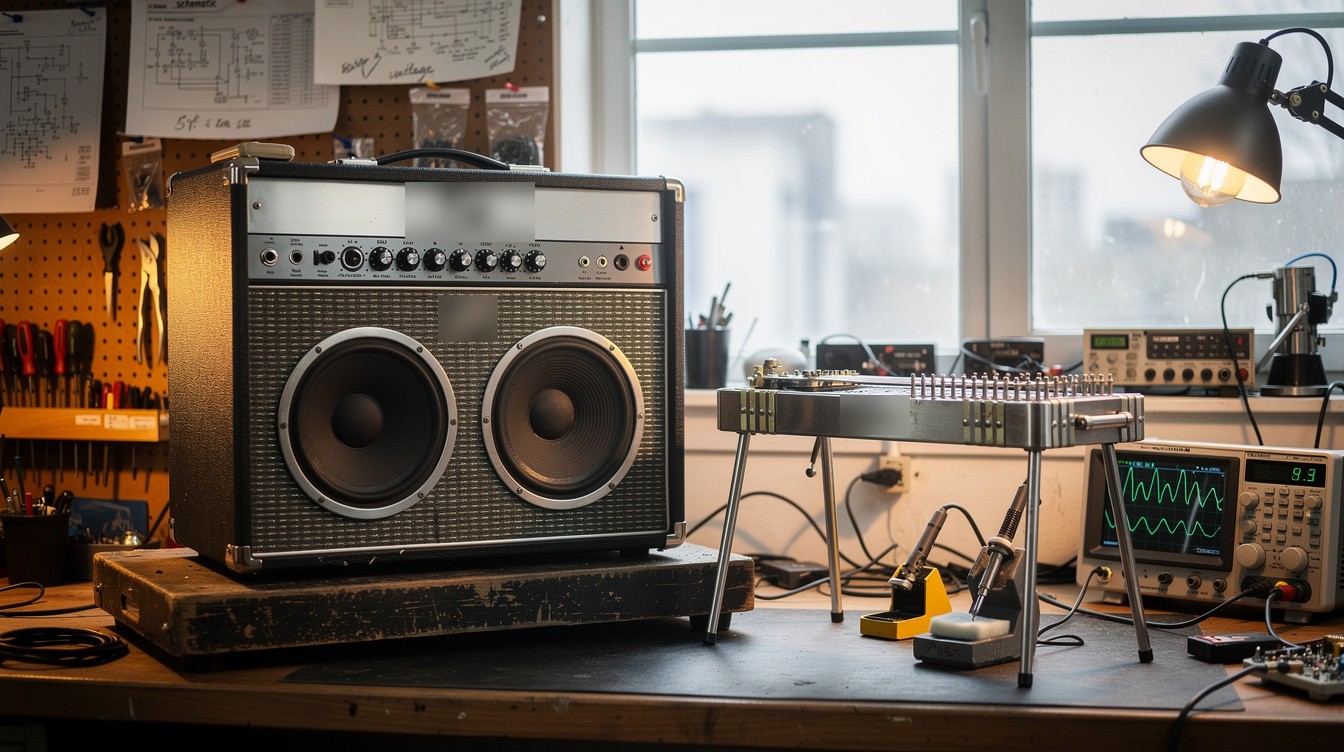
Pedal steel players are the clearest case. On the Steel Guitar Forum, players describe attacking notes with the volume pedal only partly open and then swelling up. One long-running rule of thumb there is that a steel needs about four times the power a regular guitar does. The note is supposed to stay clean through all of it. A speaker near its limit adds grit of its own, so a speaker sold on power capacity was the one that kept out of the way.
Country guitar players in big rooms had the same problem, smaller. A Telecaster into a Twin at dance-hall volume. The song wants the note clean.
If you play at home, or in a small room, you were never the customer. A stock Twin already has more clean volume than most rooms can use.
If You Want One Now
Buying used D120Fs. They are 8 Ω each. Two in parallel give the 4 Ω load a Twin expects. Ask if they have been reconed. A recone replaces the coil, cone and dome, so it changes the parts that made the D120F a D120F. Our recone or replace piece explains what stays and what goes. Ask about the surround too. Collector sites say paper and cloth surround versions differ in sensitivity, though JBL's 1970 sheet does not say so.
Staying stock. A current Jensen C12N is the budget route and the one most Twins are matched to. Its figures are in the table. Our Oxford or Jensen piece covers what else turned up in Fenders of the period.
On a modeler or IR loader. Pick a capture that names the D120F or a JBL-loaded Twin cab. A generic Twin cab is the stock speakers. If the cab name does not say JBL, assume it is not.
If you play loud and clean for a living, the JBL option was built for you. If you do not, a stock Twin already does the job.