No. 1852002·alternative·4 blocks
Times Like These
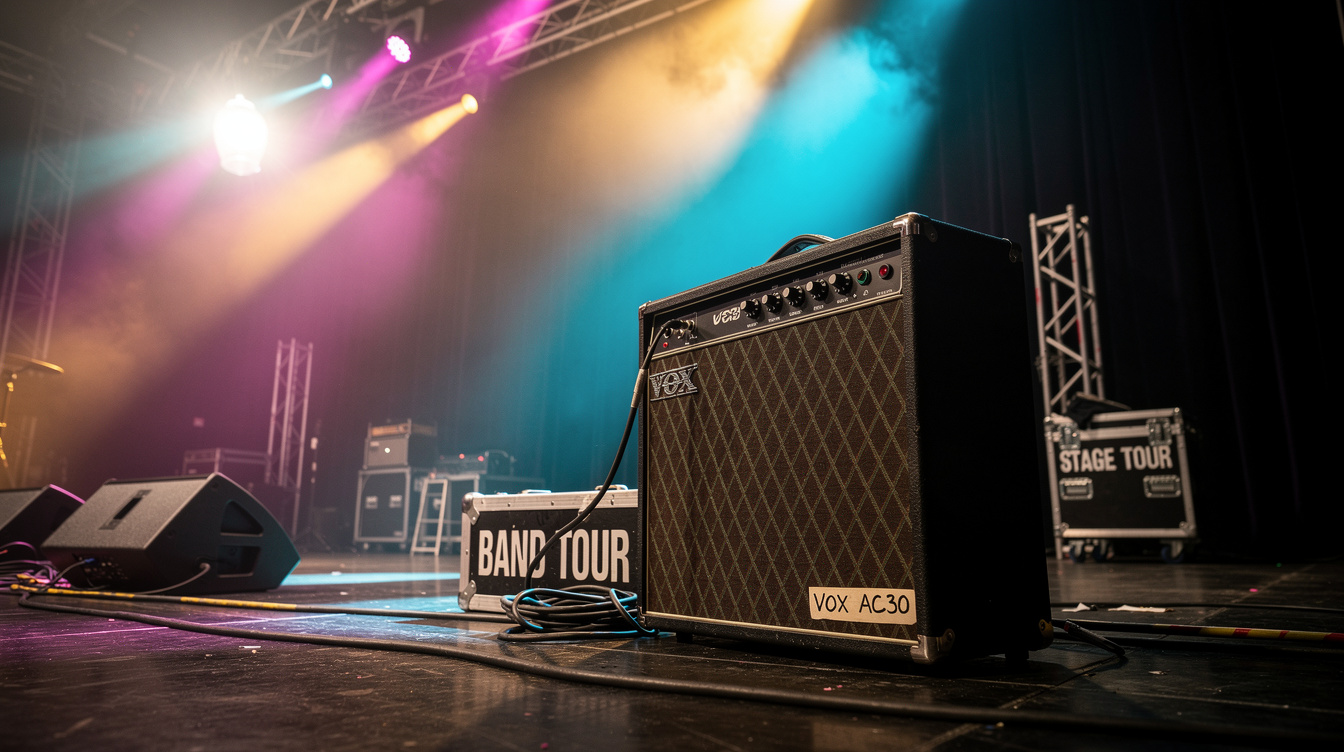
The chiming, odd-meter arpeggio riff that opens Times Like These — a jangly D Mixolydian figure that cycles through 7/4 before the band crashes in. The released take was cut in May 2002 at Dave Grohl's Studio 606 basement in Alexandria, Virginia, after the band scrapped One by One's first sessions and re-recorded the album in about two weeks. Grohl's Gibson Trini Lopez semi-hollow carries the riff on the edge of breakup — his documented AC30 territory — with Mesa Dual Rectifier crunch layered in when the full band hits.
 One by One
Signal path · input → output · 7 blocksLive values · Line 6 Helix

Guitar
Gibson Trini Lopez Standard
Pickups
HH
Tuning
bridge
Strings
Standard E (E-A-D-G-B-E)
Deluxe Comp
Scream 808
Essex A30
2x12 Blue Bell
Room
Tilt
Deluxe Comp
← Studio tracking compression
Threshold
-28dB
Ratio
3:1
Knee
6dB
Attack
0.0s
Release
0.2s
Mix
30
Level
0dB
Scream 808
← Chorus crunch push (Dual Recto layers on the record)
Gain
0.3
Tone
5.5
Level
0.7
Essex A30
← Vox AC30 (Top Boost)
Drive
5.5
Bass
4.5
Mid
5.5
Treble
6.5
Presence
5
ChVol
7
Master
10
Bias
5
BiasX
5
Sag
5.5
Hum
5
Ripple
5
Cut
3.5
2x12 Blue Bell
← Vox AC30 2x12 (Celestion Blue)
LowCut90Hz
HighCut8500Hz
Level
0dB
Pan
0.5
Delay
0
Room
← Studio ambience (dry mix)
LowCut200Hz
HighCut7000Hz
Mix
12
Decay
0.3s
Predelay
12ms
Level
0
Tilt
← Global brightness trim
Tilt
5.5
CenterFreq
1000Hz
Level
0
Engineer's note
File 185
The chiming, odd-meter arpeggio riff that opens Times Like These — a jangly D Mixolydian figure that cycles through 7/4 before the band crashes in. The released take was cut in May 2002 at Dave Grohl's Studio 606 basement in Alexandria, Virginia, after the band scrapped One by One's first sessions and re-recorded the album in about two weeks. Grohl's Gibson Trini Lopez semi-hollow carries the riff on the edge of breakup — his documented AC30 territory — with Mesa Dual Rectifier crunch layered in when the full band hits.
— Dave Grohl
Sources · Verified by