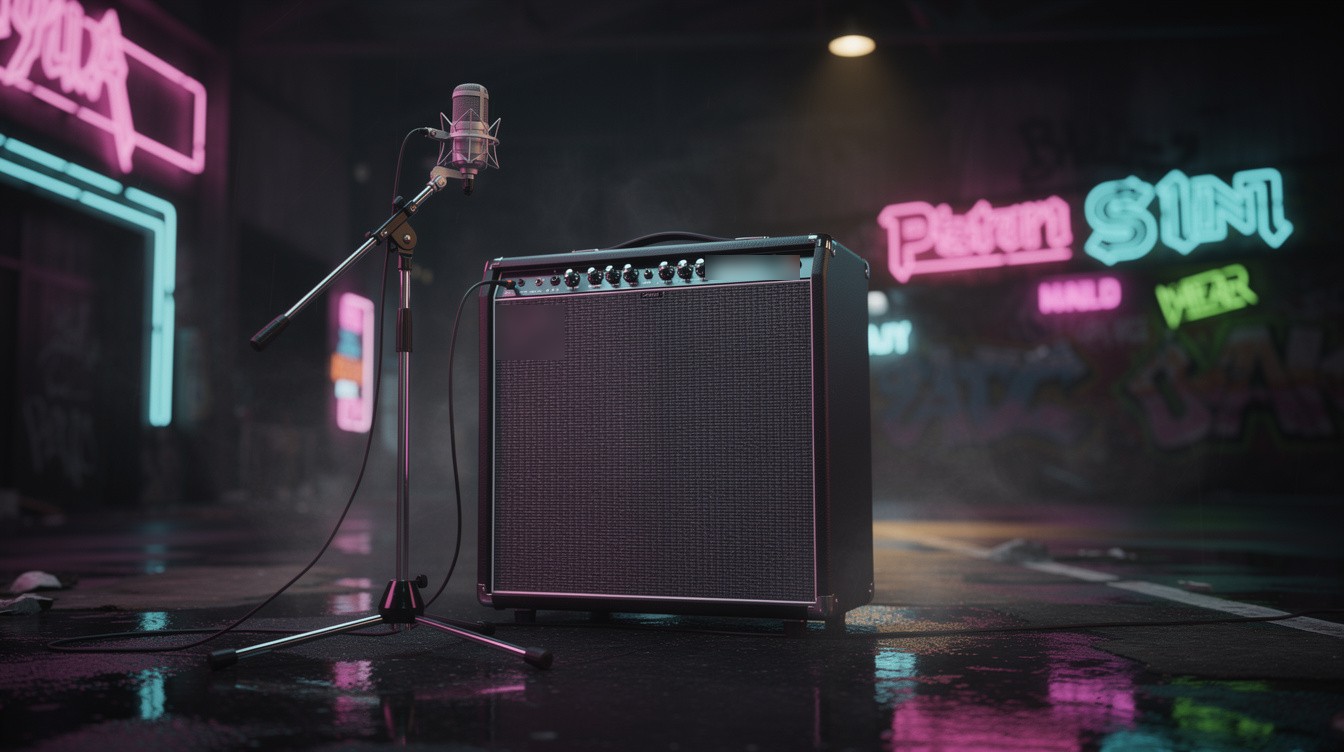
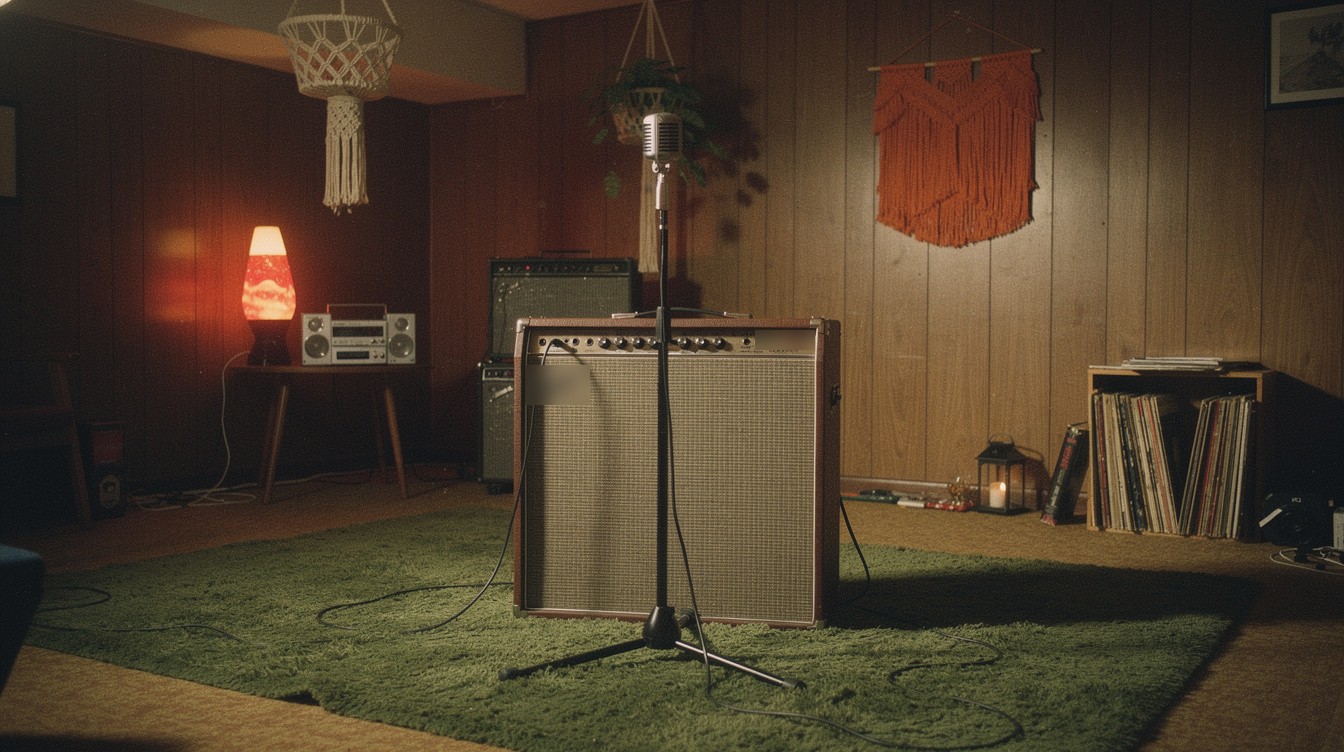
Quick read: A tube amp is tuned around the wall voltage it was built for, and crossing an ocean changes that number. A US 120V amp on Japan's 100V runs on a lower plate voltage, which costs you clean headroom and brings breakup on earlier and softer. That is a gift if you want cranked-Plexi rock and a curse if you need a clean Twin to stay clean. The UK and Europe's 230V is a different matter entirely: you cannot feed that to a 120V amp without a step-down converter or the amp's own voltage selector, or you will burn the transformer. Check the back panel before you fly, size your converter for twice the amp's draw, and when in doubt, rent backline at the destination.
There is a sound that lives in the wall. Most players never think about it, because they plug into the same outlets their whole lives and the amp does what it always did. Then they fly to Tokyo for a run of shows, plug a Twin Reverb into the backline, and the thing sounds like a different amp — softer, earlier to break up, a little smaller in the clean department — and they spend the soundcheck convinced the amp is broken. It is not broken. It is running on 100 volts instead of 120, and a tube amp feels every one of those missing twenty volts.
I have shipped amps overseas, set them up in rooms where the voltage was a polite suggestion rather than a number you could count on, and learned the hard way which mistakes cost you a transformer and which ones just cost you headroom. So before you put a vintage head in a flight case and send it across an ocean, here is what the voltage actually does to it, and how to keep it alive.
What the Voltage Does to the Tubes
A tube amp's whole personality is set by the plate voltage — the high-voltage DC the power transformer and rectifier deliver to the tubes. The wall voltage sets that plate voltage. Lower the wall, and you lower the plates, and everything downstream shifts with it.
Drop a US amp from its expected 120V to Japan's 100V and the plate voltage falls with it. The tubes have less headroom to work with, so they start to clip earlier and harder. Clean volume drops. The attack — the snap of the pick hitting the string — goes soft, because the amp can no longer slam the transient the way it could at full voltage. The amp sags, meaning the volume dips for an instant under a hard chord and then recovers, that elastic, breathing quality that players chase and rarely name.
I expected Japan's low voltage to just be quieter, a clean amp turned down a notch. That is not what I found the first time I played a blackface through it. The bigger change was the feel. The amp broke up a good half-turn of the volume knob earlier than it did at home, and the bottom dropped out about an octave before I expected it to, the way it does on the first Zeppelin record where the amp sounds like it is inhaling before it answers you. For a cranked-Plexi rock tone, this was a gift — it handed me sag and grind I usually have to fight the amp for. For the kind of glassy, headroom-heavy clean a country player or a jazz player lives on, it was a curse, because the headroom I needed was simply gone. Same amp, same settings, two opposite verdicts, decided entirely by what was coming out of the wall.
The Brown Sound Was a Voltage Trick
None of this is new. The most famous tone in rock history was built on it.
Eddie Van Halen ran his Marshall through a Variac — a variable transformer that let him dial the wall voltage down below spec, into the neighborhood of 90 volts by most accounts. He was doing on purpose, with a knob, exactly what Japan's grid does to your amp for free: starving the plates, softening the attack, pulling the breakup forward into a saggier, browner, more elastic distortion. The "brown sound" was, in large part, a voltage trick. He found that a Marshall a little hungry for voltage had a feel a Marshall at full power did not.
So when your amp lands on 100V and feels different, understand that some players have spent real money trying to get exactly that. The Brown Box and the Furman voltage regulators that touring acts carry are, at heart, devices for choosing your wall voltage instead of accepting whatever the venue gives you. Japan hands you a milder version of the EVH setting at no charge. Whether that is a blessing depends entirely on the tone you came to play.
The UK Will Kill Your Amp
Japan is forgiving. The UK and Europe are not, and this is the part where people ruin amps.
Britain and most of Europe run around 230 to 240 volts. A power transformer wound for 120V and fed 230V is being asked to handle nearly double what it was designed for. It drives the core deep into saturation, current spikes, the windings overheat, and within seconds you get a blown mains fuse if you are lucky and a charred, smoking transformer if you are not. There is no clever workaround and no "just for one song." A 120V amp does not go into a 230V wall.
What you do instead is one of two things. If your amp has a voltage selector on the back — and a great many export-era and modern amps do, because the manufacturers built them to be sold worldwide — you set that selector to 230V and you are done. The transformer has multiple taps, you have just told it which one to use, and the amp now expects the higher voltage. Check for this before anything else, because it makes the whole problem disappear. If your amp has no selector, you need a step-down converter that takes the 230V wall and hands your amp 120V. Size it for at least twice your amp's draw — a 100-watt head pulls something like 200 to 300 VA from the wall, so you want a converter rated 500 VA or more so it runs cool and does not sag under the current.
The Frequency Footnote, and the Pro Move
You will hear people worry about 50Hz versus 60Hz. For a guitar amp it is mostly a footnote. The US runs 60Hz, the UK and Europe run 50Hz, and a power transformer runs slightly warmer on the lower frequency but is generally happy either way. The one place it gets interesting is Japan, which is split down the middle — Tokyo and the eastern half run 50Hz, Osaka and the west run 60Hz, both at 100 volts. Plan around the voltage. The frequency only matters if you are running very old gear that used the mains frequency for timing, which is rare and not your Deluxe Reverb.
The honest pro move, the one most touring players land on eventually, is to not fly the amp at all. Rent backline at the destination. A local rental house hands you an amp already wired for the local wall, you skip the converter, the frequency question, and the very real risk of an airline turning your transformer into modern art. You bring your guitar, your pedals, and your hands, and you let the amp be the venue's problem. For the gear that defines you — a '64 Deluxe Reverb you have turned down six figures for — that is not caution. That is sense.
If you do travel with the amp, check the back panel before you pack it, carry the right converter, and remember which direction you are going: Japan starves it and the UK floods it. For the domestic version of this same puzzle — why your amp sounds different from one US venue to the next — our guide to low wall voltage on tour covers the smaller swings, and the Kill-A-Watt measurement walkthrough shows you how to read the outlet before you trust it.