Quick read: A cab impulse response captures the speaker and the mic but not the room, so a dry IR sounds like the guitar is pressed against the glass. A short reverb after the IR puts it back into a space. Valhalla Supermassive is free, lives in the DAW, recalls perfectly, and stretches from a tight room to an endless wash, which makes it the rational pick for closing that gap on a recording. The Strymon BlueSky costs about $300, and what it gives you that the plugin can't is real-time feel: the decay reacts under your fingers as you play, so it changes the notes you choose. For a believable small room the BlueSky's Room mode is instant; Supermassive leans long and diffuse and takes more work to make small. Start with a short room, around 20 ms predelay, under a second of decay, mix near 15 percent.
A dry cab IR is a guitar with its nose against the window. All the detail is there, every bit of pick noise and speaker breakup, but it is happening in a vacuum. No air around it. No sense of the room it lives in. That flat, pressed-up quality is the single most common reason a bedroom recording sounds smaller than the demo in your head.
The fix is a short reverb after the IR. Not to drown the guitar, just to give it back the room the IR threw away. The two reverbs people reach for to do this could not be more different in price or in philosophy: a free plugin and a three-hundred-dollar pedal. I have spent a lot of late nights with both.
Why the IR Needs a Reverb at All
Quick on the physics, because it decides everything else. An impulse response is a snapshot of one speaker and one microphone. When you mic a cab in a real room, the mic hears the speaker plus the reflections bouncing off the walls and the floor, arriving a few milliseconds later. Those early reflections are what tell your ear "this happened in a space."
An IR strips them out. You get the speaker, dead clean, with nothing around it. So the IR sounds accurate and lonely at the same time. A short reverb rebuilds the missing reflections... it is the air the IR forgot to include. Signal order matters here: amp, then cab IR, then reverb, because the room exists around the microphone, not inside the speaker. Put the reverb before the IR and you run the tail through the speaker model and it smears.
Valhalla Supermassive — The Free One That Does Almost Everything
Supermassive is a free plugin, and that fact never stops being a little absurd given what it does. It runs from a tight slapback ambience all the way out to a tail that decays for thirty seconds, with a set of modes named after stars and galaxies that each have their own density and modulation character.
For closing the IR gap, you ignore most of that range and live in the short end. A small mode, predelay around 20 ms, decay pulled under a second, mix down around 15 percent. Done well, the guitar steps back off the glass and stands a few feet into a carpeted room. The pick attack still reads clearly because the reverb arrives just behind it instead of on top of it. That little gap of predelay is the whole trick. It keeps the dry transient intact and lets the space bloom behind it.
What makes it the rational pick for recording is everything around the sound. It recalls perfectly with the session, so the reverb I dialed at 2 AM is exactly the reverb when I open the project a week later. It is stereo. It automates, so I can open the decay up for one phrase and pull it back for the next without committing. And it is free, which means the best reverb in my chain costs nothing, which still feels like the music-gear universe glitched in my favor.
The honest limitation is character. Supermassive's natural personality is diffuse and spacious. Its short modes are great, but it always feels like it would rather be big. Getting a genuinely tight, dry, small-room sound out of it takes deliberate work, trimming decay and size until you have talked it out of its instinct to spread.
Strymon BlueSky — The One You Play Through, Not At
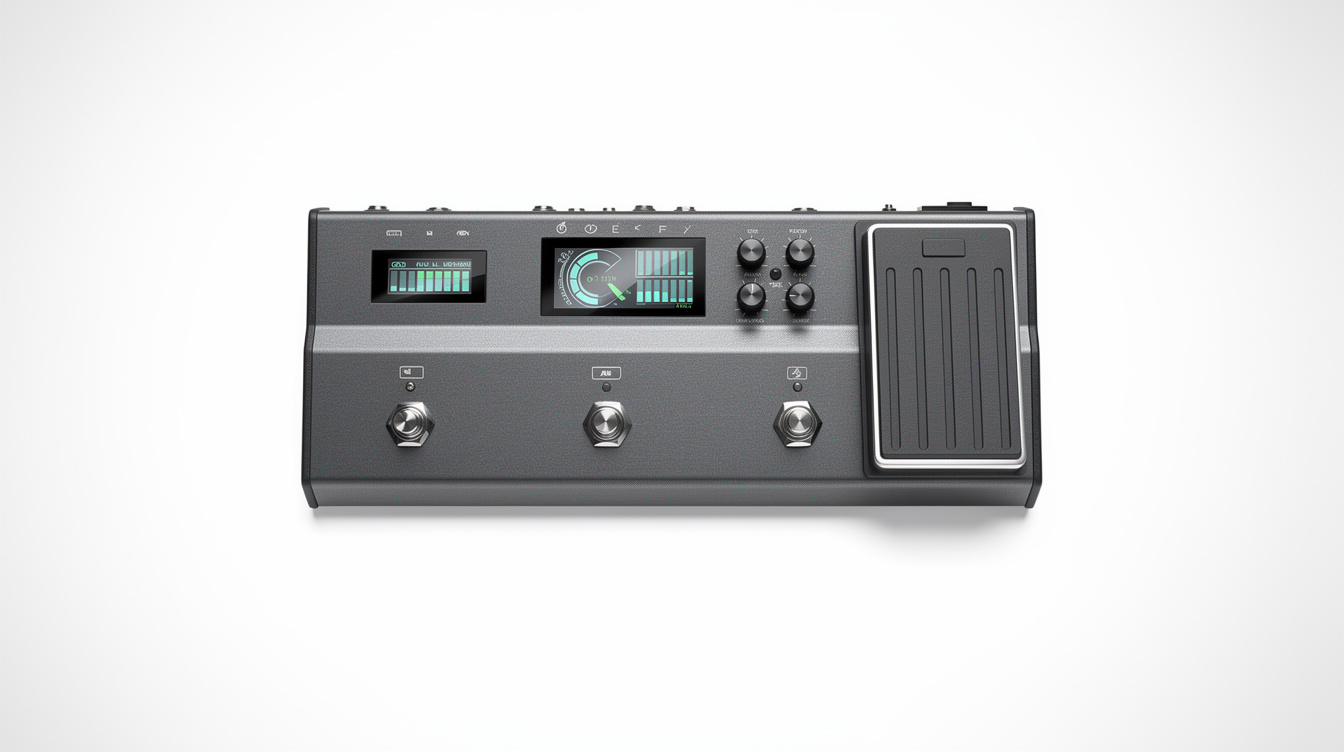
The BlueSky is a pedal, around three hundred dollars, with three reverb types (Plate, Room, Spring) and three modes (Normal, Mod, Shimmer). On paper it does less than Supermassive. In the room it does one thing the plugin structurally cannot.
You play through it in real time. The decay is happening while you are still deciding what to play next, so it feeds back into your hands. I expected this to be a romantic non-difference, the kind of thing people say about hardware to justify the money. It was not. With the BlueSky in front of the interface, I played slower. I left more space, because the space was already ringing and I was listening to it instead of filling it. The plugin, added after the take, never once changed a note I played, because by then the take was done. The pedal shaped the performance. The plugin shaped the recording. Those are not the same job.
The other thing the BlueSky has is its Room mode, which lands on a small, believable space instantly. Flip to Room, low decay, and the guitar is in a tight tracking room with no negotiation. Where Supermassive wants to bloom outward like fog rolling in, the BlueSky's Room closes around the note like a door shutting softly in a small studio. For the specific job of closing the IR gap, that immediacy is worth something.
And the Shimmer mode is its own argument. It is not what you use to close a space gap, but for ambient parts it generates an octave-up wash that turns a single held chord into something that sounds like a string section three rooms away. Supermassive can approach that with its modulated modes, but the BlueSky's shimmer has a specific glassy bloom that a lot of records have leaned on.
The Decision, Honestly
This is not a fair fight on price, and it does not need to be. They are answering different questions.
- You record direct, you mix in the box, and you want the reverb editable forever. Valhalla Supermassive. It is free, it recalls, it automates, and for closing the IR gap on a recording it does everything you need. There is no rational reason to spend money here first.
- You want the reverb to change how you play, not just how the take sounds. Strymon BlueSky. The real-time feel is the entire point and the plugin cannot give it to you. Track through it.
- You need a believable small room with zero fuss. BlueSky Room mode is instant. Supermassive gets there but you have to talk it down from wanting to be big.
- You are building ambient parts that live on the wash. Either, but the BlueSky's Shimmer has a specific glassy bloom worth hearing, and Supermassive's long modes go further out into the void for nothing.
If you only have one and zero dollars, you already have the right answer, because Supermassive is free and it is genuinely that good. The BlueSky is not an upgrade to it. It is a different instrument that happens to also make reverb. I keep the plugin for mixing and reach for a pedal when I want the room to push back while I am still playing into it. Texture over technique, but the texture you play through and the texture you add later are two separate decisions, and the dry IR needs you to make at least one of them.