The most cloned overdrive pedal in history. Mid-hump character that tightens low end and adds presence. Used by SRV, John Mayer, and countless others as a clean boost or light overdrive.
See exactly how this gear is dialed in across different songs and styles.
Stevie Ray Vaughan
Pride and Joy (1983)
The definitive Texas blues shuffle tone. SRV's tone on Pride and Joy is built on an incredibly simple signal chain: a Stratocaster with absurdly heavy strings, a Tube Screamer used as a clean boost, and a cranked Fender Vibroverb. The magic is in the player's hands and the amp being pushed hard. The Tube Screamer is not set for distortion; it's adding mids and pushing the amp's front end into breakup.
John Mayer
Slow Dancing in a Burning Room (2006)
A modern masterclass in touch-sensitive blues-rock tone. John Mayer's sound on Continuum is built on a Stratocaster through a Tube Screamer into a boutique Two Rock amp — essentially the SRV formula updated for the 21st century. The Two Rock provides a sweet, harmonically complex clean tone that responds to every nuance of Mayer's pick dynamics. The Tube Screamer adds a mid-hump boost that pushes the amp into a warm, singing overdrive without obscuring the guitar's natural voice.
Stevie Ray Vaughan
Texas Flood (1983)
SRV's tone on Texas Flood (the title track) is a slow blues masterclass in dynamics and touch sensitivity. Unlike the driving shuffle of Pride and Joy, Texas Flood is about sustain, bending, and raw emotion at lower tempos. The tone is heavier and more saturated, with the Tube Screamer pushing the Vibroverb harder and the neck pickup providing warmth for singing, sustained bends. SRV's vibrato is wider and slower here, letting each note breathe and decay naturally.
John Mayer
Gravity (2006)
Gravity is the ultimate showcase of Mayer's dynamic touch on a Stratocaster. The tone is remarkably clean -- almost no overdrive from the amp, just the pure sound of a great Strat through a boutique Two Rock amplifier. Every nuance of pick attack, finger pressure, and volume knob adjustment is audible. The Klon Centaur is always on but set extremely low, adding just a touch of harmonic richness and compression.
James Hetfield
Enter Sandman (1991)
Enter Sandman introduced a new, more polished Metallica rhythm sound. Hetfield's ESP through a Mesa/Boogie Mark IV with a scooped midrange and tight low end creates the punchy, percussive tone that defined the Black Album. Compared to the rawer Master of Puppets tone, Enter Sandman is more controlled, more produced, and heavier in the low end thanks to Bob Rock's production.
Gary Clark Jr.
Bright Lights (2012)
Gary Clark Jr.'s tone on Bright Lights is a modern take on classic blues guitar. An SG through a Fender Vibro-King produces a warm, fat clean tone that breaks up beautifully when he digs in. The tone has more midrange warmth than a typical Fender clean, thanks to the SG's humbuckers. Clark uses a Tube Screamer-style overdrive for solo boosts, pushing the amp into rich, singing sustain.
Joe Bonamassa
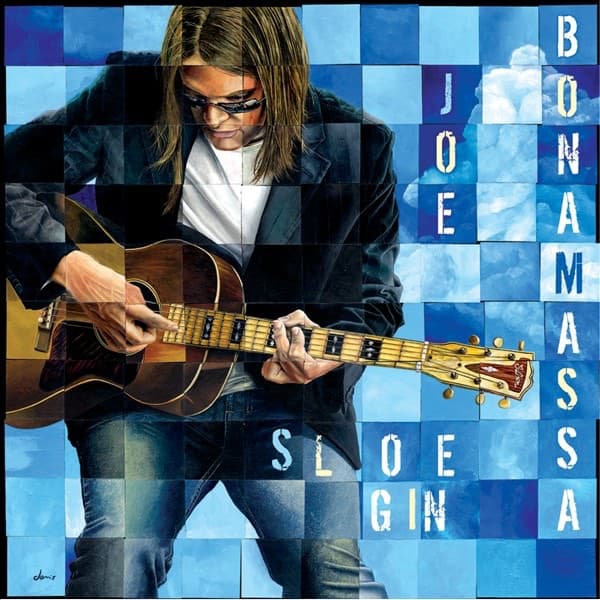
Sloe Gin (2007)
Sloe Gin features Bonamassa's signature blues-rock lead tone: a vintage Les Paul through a Marshall and Dumble blend that produces a thick, creamy sustain with singing upper harmonics. The tone is rich and saturated but never loses note definition. Bonamassa's precise vibrato and dynamic control bring each note to life with an expressiveness that bridges classic Clapton-era blues with modern production values.
Stevie Ray Vaughan
Little Wing (1991)
SRV's cover of Hendrix's Little Wing is a masterclass in blues tone and dynamics. His Stratocaster through a Vibroverb with a Tube Screamer produces a warm, singing tone that honors Hendrix while adding SRV's characteristic power and aggression. The tone is fatter and more driven than Hendrix's original, with heavier strings providing more body and sustain. SRV's version features extensive chord melody work that demands both clean articulation and overdrive sustain.
David Gilmour
Shine On You Crazy Diamond (1975)
The four-note opening motif of Shine On You Crazy Diamond is one of the most recognizable guitar phrases ever played. Gilmour's Stratocaster through a Hiwatt with a compressor and delay produces a tone of infinite sustain and crystalline clarity. The notes ring out with an almost vocal quality, each one sustaining until the next is played. The tone relies on precise gain staging: enough sustain to carry each note but not so much distortion that clarity is lost.
Some links on this page are affiliate links. Fader & Knob may earn a commission on purchases at no extra cost to you.