No. 2061984·heavy-metal·5 blocks
We Rock
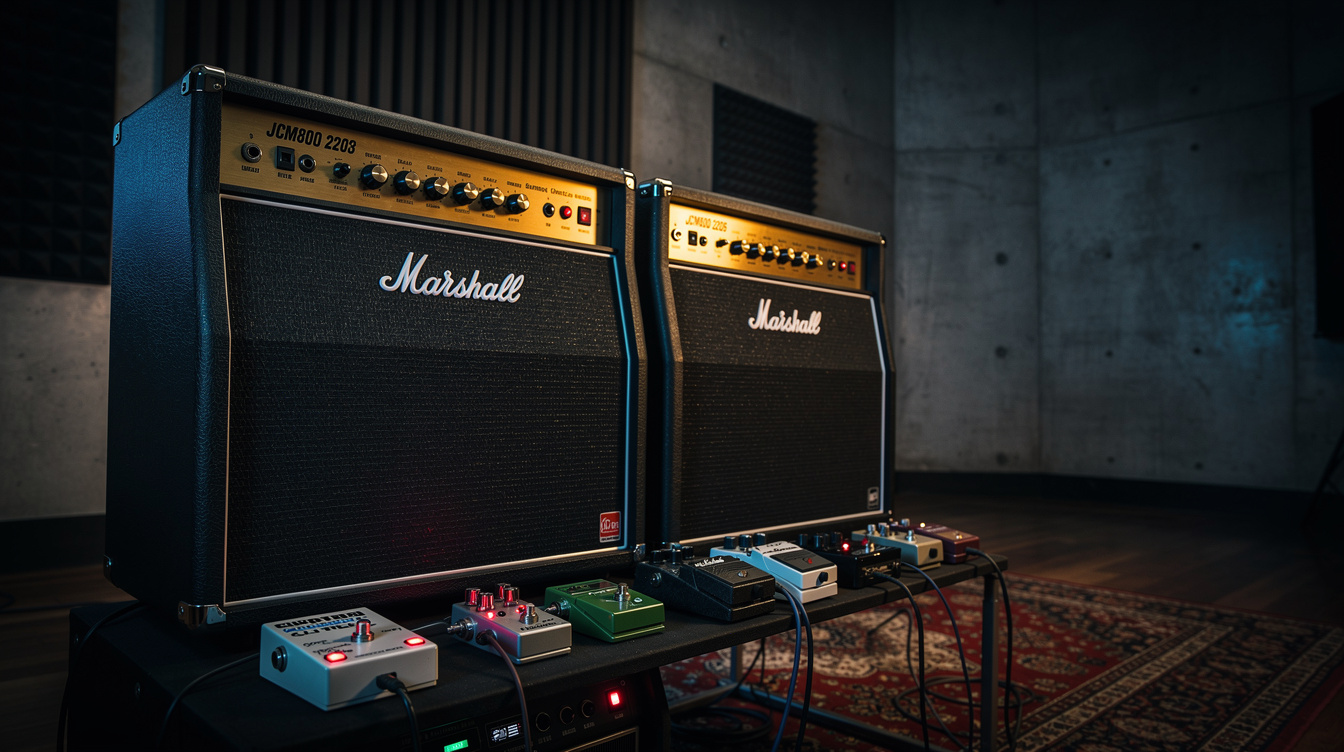
The fastest thing Campbell recorded with Dio, and the clearest example of why his rig was built the way it was. He has been blunt about it: the JCM800 did not have enough distortion on its own, so he front-loaded it with an absurdly hot pickup and a Boss overdrive. At this tempo that inversion earns its keep -- the boost tightens the low end before the amp ever sees it, which is the only reason a gallop this quick stays legible instead of collapsing into a wall of Marshall.
 The Last in Line
Signal path · input → output · 9 blocksLive values · Neural DSP Quad Cortex

Guitar
Gibson Les Paul Deluxe (1977, refinished matte black)
Pickups
HH
Tuning
bridge
Strings
standard
Gate
Studio Comp
Green Scream
Brit 2203
4x12 Blackback
Digital Delay
Room Reverb
Graphic EQ
Gate
← Gain-structure housekeeping
Threshold
-58dB
Decay
20s
Studio Comp
← Studio compression
Threshold
-24dB
Ratio
2.5:1
Attack
14s
Release
130s
Mix
30
Level
0dB
Green Scream
← Boss overdrive (SD-1)
Drive
2
Tone
5.5
Level
8
Brit 2203
← Marshall JCM800 2203
Gain
7
Bass
4
Mid
6
Treble
7
Presence
6
Master
6
Sag
3.5
4x12 Blackback
← Marshall 4x12
LowCut95Hz
HighCut6200Hz
Level
0dB
Digital Delay
← Studio slap
Time
190ms
Feedback
6
Mix
7
Level
0
Room Reverb
← Caribou Ranch tracking ambience
Decay
0.9s
Predelay
14ms
Mix
11
Level
0
Graphic EQ
← Global tilt EQ
Tilt
5
CenterFreq
1000Hz
Level
0
Engineer's note
File 206
The fastest thing Campbell recorded with Dio, and the clearest example of why his rig was built the way it was. He has been blunt about it: the JCM800 did not have enough distortion on its own, so he front-loaded it with an absurdly hot pickup and a Boss overdrive. At this tempo that inversion earns its keep -- the boost tightens the low end before the amp ever sees it, which is the only reason a gallop this quick stays legible instead of collapsing into a wall of Marshall.
— Vivian Campbell
Sources · Verified by